
SFBB diary refill
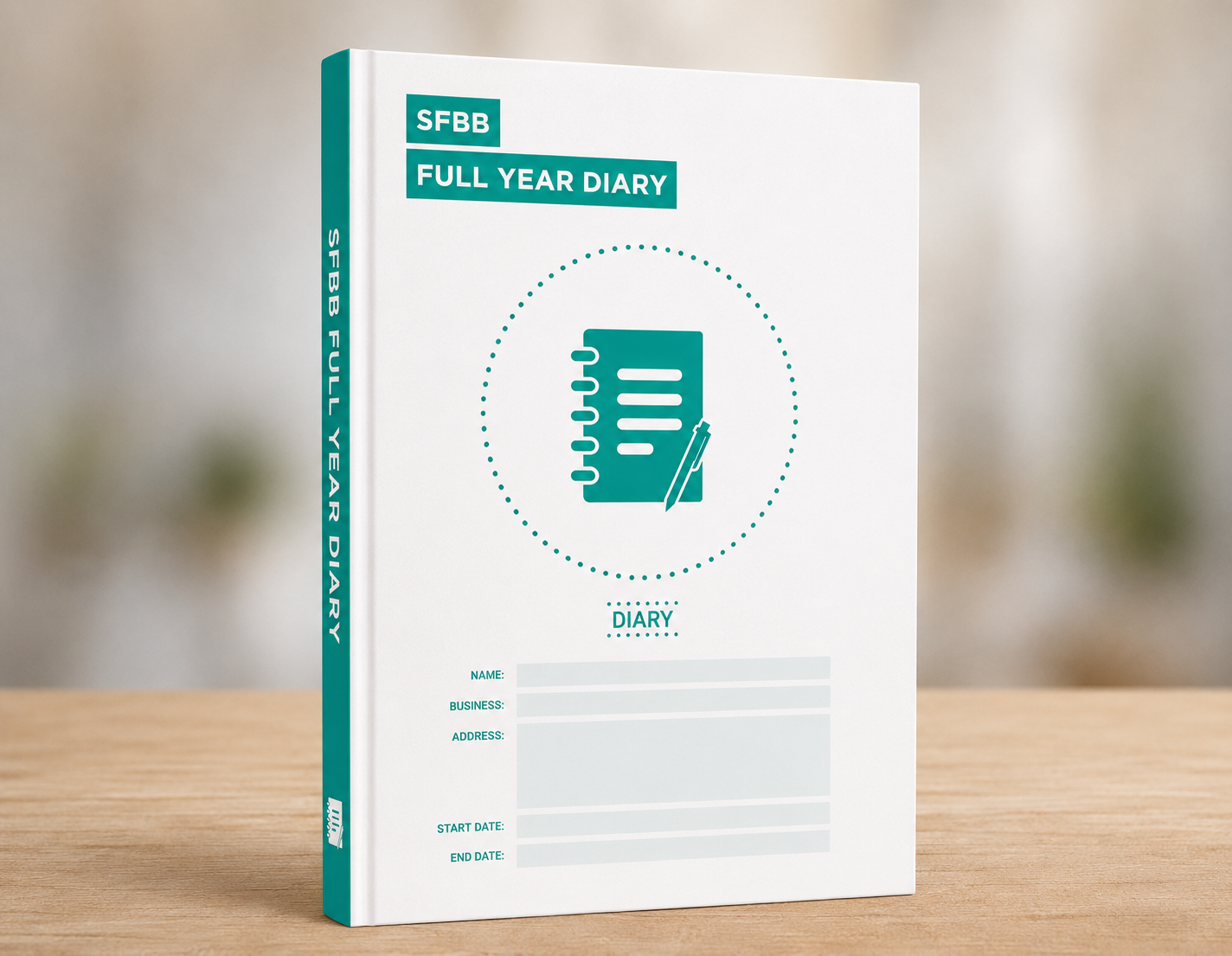
Food safety record keeping diary.
Food business approved
- Food Standards Agency system
- 52 week Safer Food Better Business diary refill
- Professional high quality book format
Safer Food Better Business books for your food business
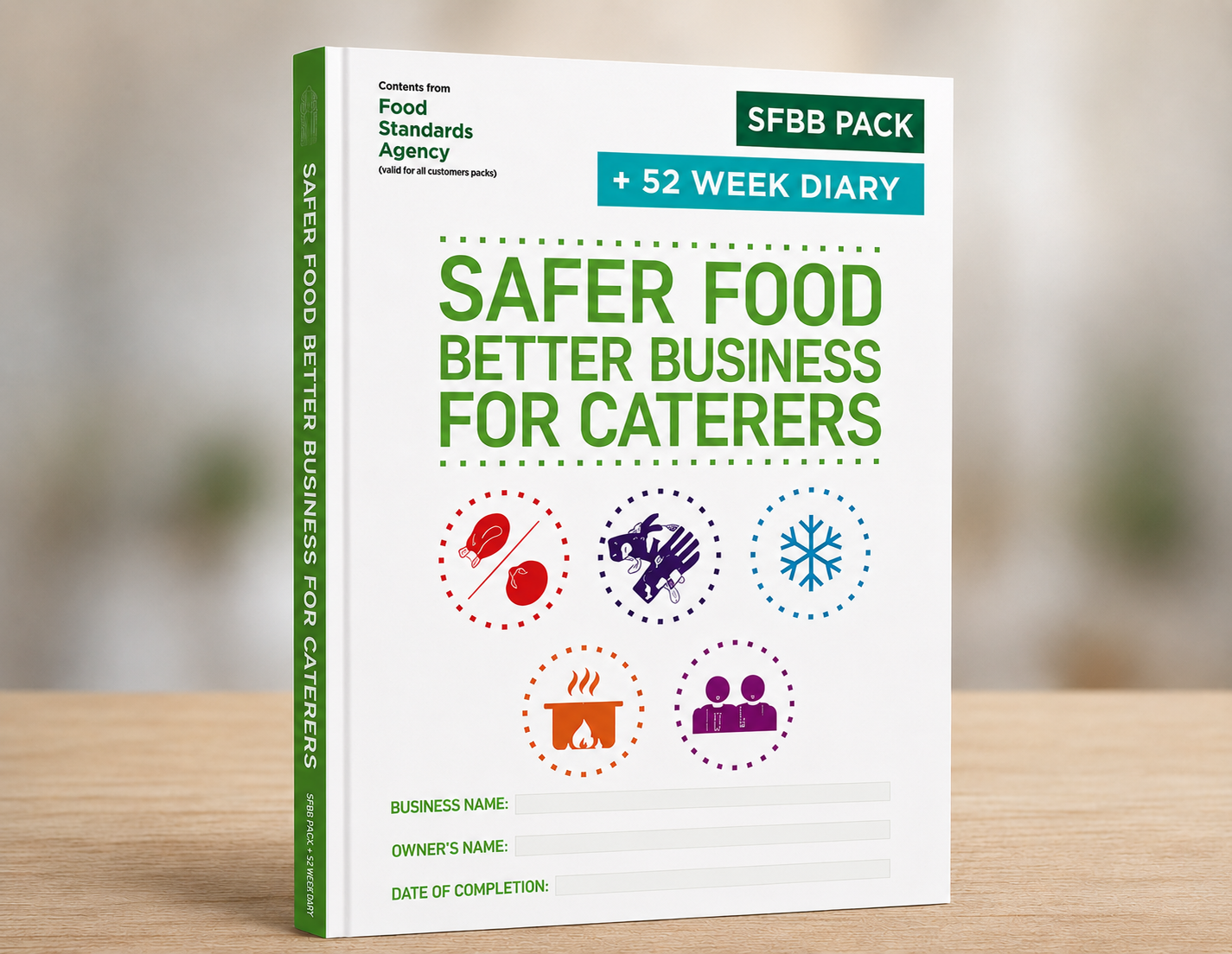
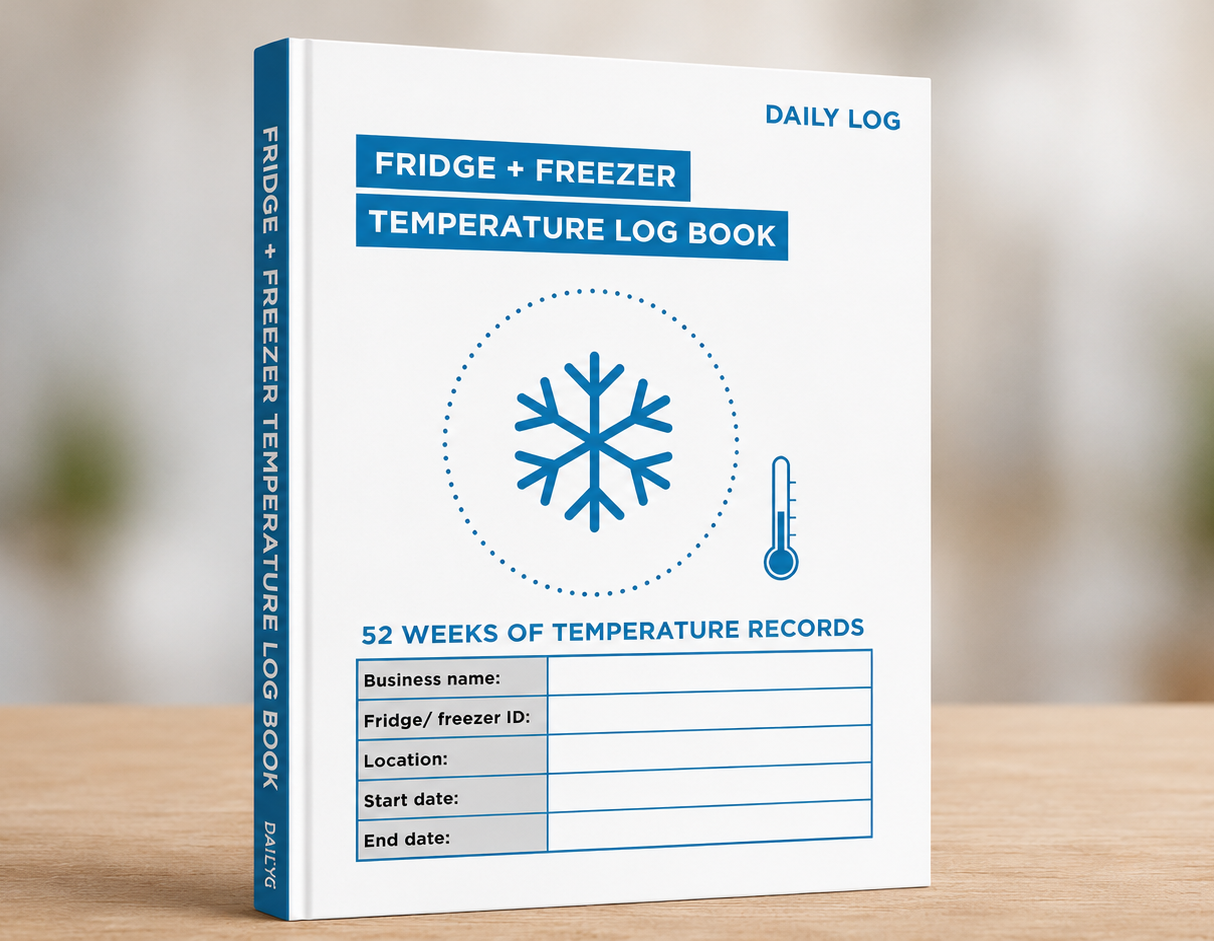
Find the right Safer Food Better Business book for your food business, from the full SFBB pack to diary refills and temperature log books.
SFBB Diary FAQs
Find answers to common questions about SFBB diaries, daily food safety records, food hygiene checks and how Safer Food Better Business diaries are used by food businesses.
What is an SFBB diary?
An SFBB (Safer Food Better Business) diary is a daily record that forms part of the Food Standards Agency’s Safer Food Better Business food safety management system.
It is used to record food safety checks, identify any problems that occur, and document the actions taken to help keep food safe.
Is it a legal requirement to complete an SFBB diary?
There is no legal requirement for every food business to use the SFBB diary specifically. However, food businesses are legally required to have a food safety management system based on HACCP principles.
If you choose to use the SFBB system, the diary should be completed as intended to show that your food safety procedures are being followed consistently.
Who should complete the SFBB diary?
The diary is usually completed by the manager, supervisor, or another responsible member of staff who carries out or oversees the daily food safety checks.
The person completing the diary should understand the business’s food safety procedures and be able to record any issues accurately.
How often should the SFBB diary be completed?
The diary should be completed every day the business is operating.
Recording checks as they happen is generally more reliable than trying to fill in the diary later from memory.
What should I record in the SFBB diary?
The diary is intended to record daily food safety information, such as any problems that occurred, the action taken to resolve them, and any checks completed as part of your food safety management procedures.
The exact information recorded will depend on your business and the version of the SFBB pack you use.
Do I need to record every fridge temperature in the diary?
The SFBB system focuses on recording anything that affects food safety and the actions taken.
Some businesses choose to keep separate temperature monitoring records if these form part of their food safety procedures.
What happens if something goes wrong?
If a food safety problem occurs, it should be recorded in the diary along with the corrective action taken.
For example, if refrigerated food has been stored above a safe temperature, you should record what happened and what you did to reduce the risk, such as disposing of affected food or arranging repairs to the equipment.
Can I leave the diary blank if nothing happened?
The diary is intended to be completed each day the business is open.
Even if there are no food safety issues to report, completing the daily record helps demonstrate that checks have been carried out.
Can I use a digital SFBB diary instead of a paper one?
Many businesses use digital systems to manage their food safety records.
As with paper records, any digital system should accurately reflect your food safety management procedures and be available if requested during an inspection.
How long should I keep completed SFBB diaries?
The Food Standards Agency recommends keeping completed SFBB records for at least 12 months.
Some businesses choose to retain records for longer, particularly where this supports their own record-keeping policies or business needs.
Do Environmental Health Officers check the SFBB diary?
During a food hygiene inspection, an Environmental Health Officer may ask to see your food safety management records.
If you use the SFBB system, the diary can help demonstrate that food safety checks are being carried out and that any problems are being managed appropriately.
What should I do if I forget to complete the diary?
It’s best to complete the diary at the time the checks are carried out.
If you realise you’ve missed an entry, record the information as accurately as possible and avoid making records that are inaccurate or misleading. Consistently completing the diary on time helps provide a more reliable record of your food safety management.